Strength training
Women's strength training and stress: why lifting calms the mind
Lifting weights is not only about how you look. It is one of the best-studied tools for regulating stress — and it works regardless of how much you already move on the bar.
When we say "training for stress", most people picture a yoga mat. Yet the research on resistance training — the kind with a load — shows an effect on wellbeing that is just as strong and often more durable. Good news for any woman who prefers a barbell to the lotus position.
What happens in the body when you lift
Resistance exercise triggers a cascade that is, physiologically, the opposite of chronic stress. After a session resting muscle tension drops, insulin sensitivity improves, and the nervous system returns to balance faster than it did before you trained regularly.
The key is hormesis: a controlled, short dose of "good" stress (a set of squats) teaches the body to switch off the stress response more efficiently in daily life. A body that regularly meets a load in training reacts more calmly to a load at work.
What the data says
Reviews consistently show that regular resistance training meaningfully reduces anxiety symptoms and improves mood in adults — and the effect does not depend on whether you actually got stronger. What counts is doing the sessions, not the number on the bar.
Physical-activity guidance (WHO, upheld in 2026) recommends muscle-strengthening training at least twice a week for adults. That is the dose at which both physical and mental-health benefits show up.
How to start — a plan for the first weeks
You don't need a complicated plan. You need repeatability.
- 2 sessions a week of 40–50 minutes, with a rest day between them.
- 5–6 exercises for the whole body: squat, a deadlift variant, a press, a row, plus something for the back and core.
- 2–3 sets of 8–12 reps with a load where the last 2 reps are demanding but technically clean.
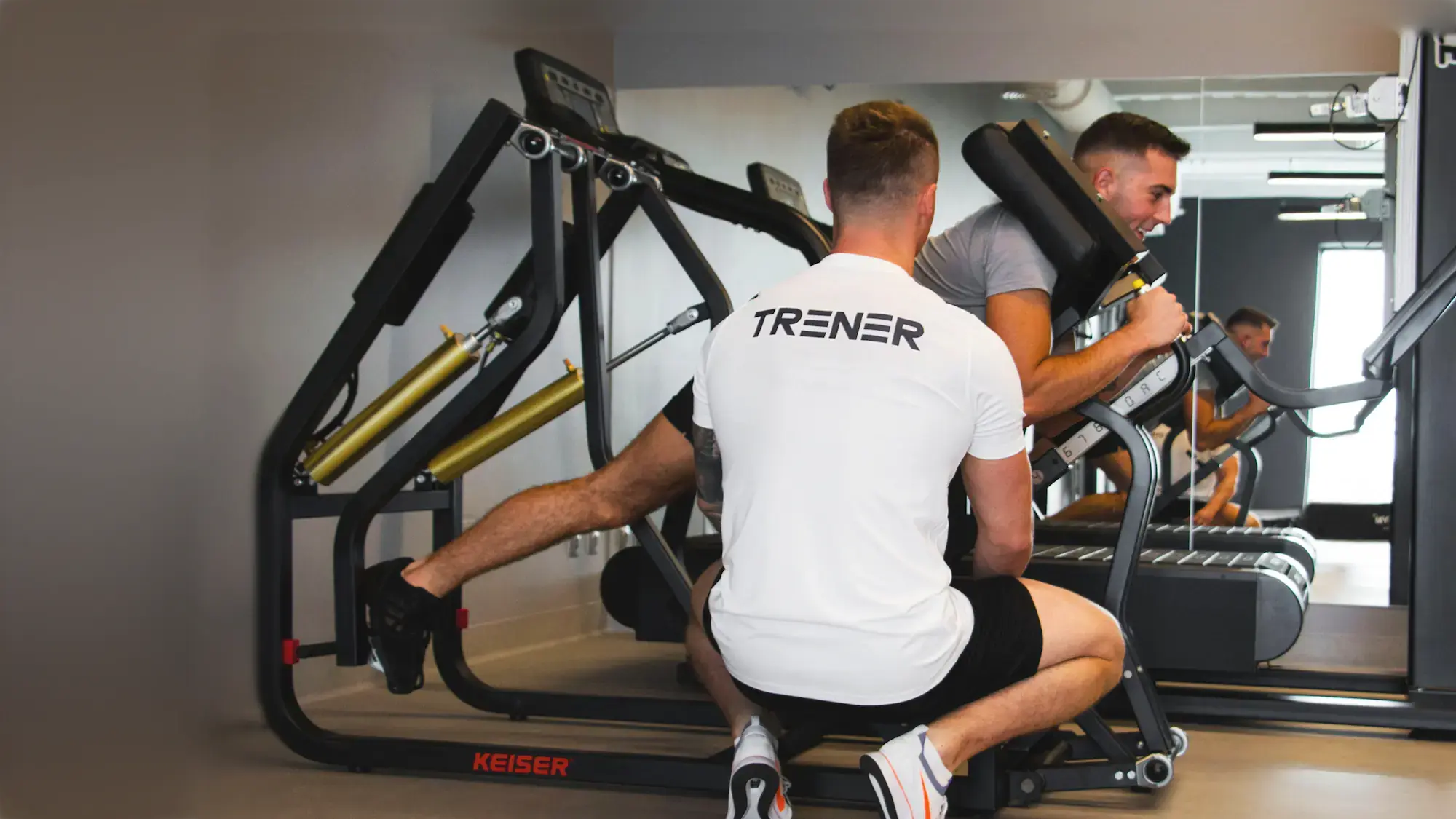
- Start by learning technique with a coach — a safe first month builds the habit that an injury won't interrupt.
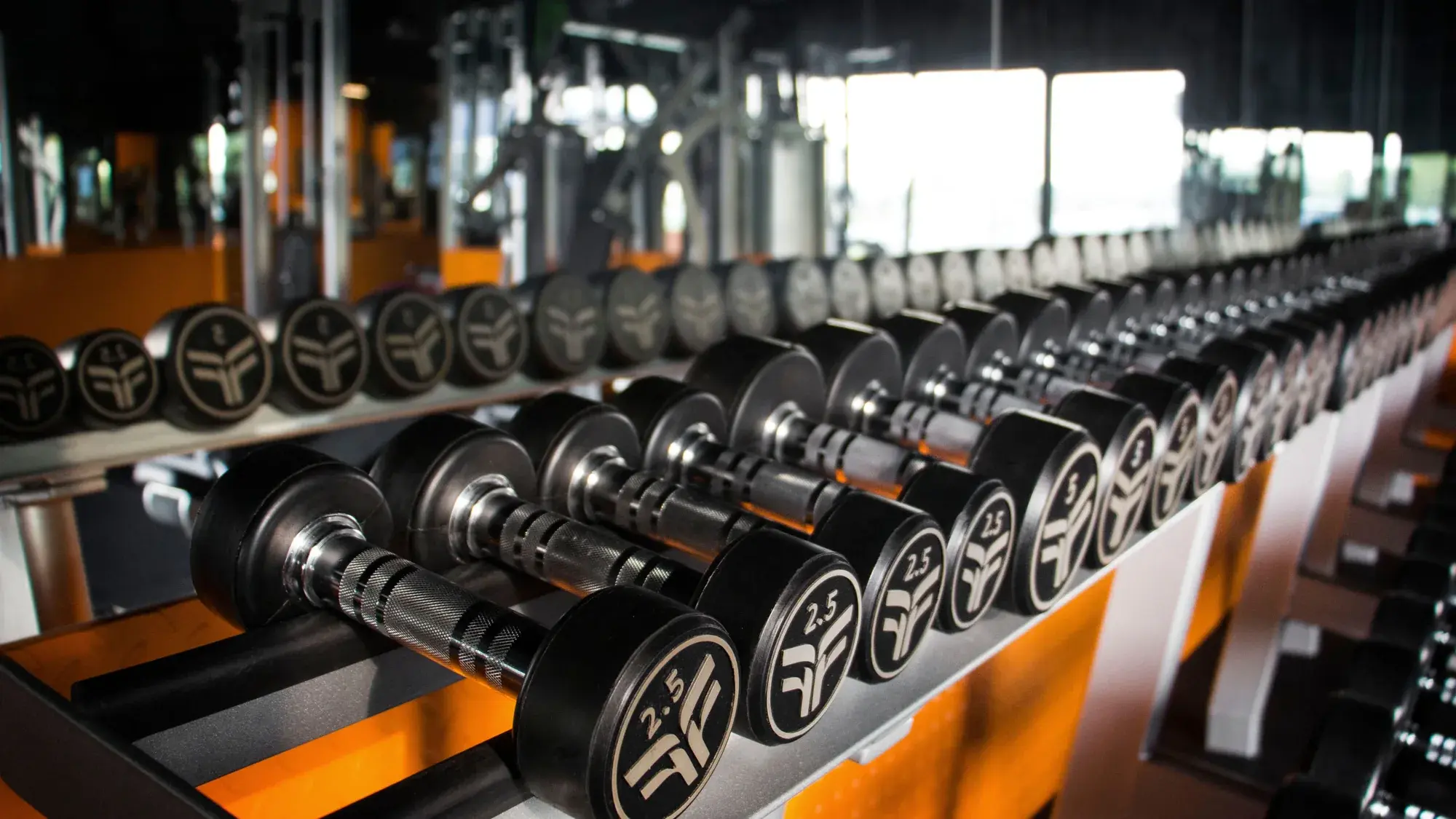
At Teho Sport you can begin two ways: on your own in the free-weights and machine gym, or guided through personal training, which builds a plan around your level and schedule.
Sources and evidence base
- WHO Guidelines on physical activity and sedentary behaviour (2020, current in 2026)
- American College of Sports Medicine — position stands on resistance training in adults
- Reviews and meta-analyses on resistance training and anxiety/depression symptoms